Your Accountant Sold Their Firm.
You Didn't Choose the Buyer.
We are expert accountants, tax & business advisors & we work exclusively with established privately owned businesses and the families behind them. We bring the business, tax, structures, investments and broader family group into one co-ordinated accounting and advisory relationship.
CLICK BELOW TO WATCH FIRST!
Next Step: Book a No Obligation Discovery Session

For Privately Owned Businesses & the Families Behind Them Who Want More From Their Accounting, Tax & Advice Function
Typical Situations We Are Engaged To SOLVE
Your accounting firm has been sold or merged and the relationship, service or advice is no longer what it used to be
You no longer know who is actually responsible for your affairs or feel like you are being passed between different people
The business is performing well, but you are unsure whether the profit is being converted into cash, assets and lasting family wealth
Tax returns are completed each year, but there is no deliberate year-round tax strategy
Tax liabilities arise without adequate forecasting, funding or advance management
Multiple companies, trusts, investments and other entities have accumulated over time without a clear strategic design
Legacy structures no longer suit the size, risk, ownership or future direction of the business and family group
Business, investment and family structures are being considered separately rather than as one connected financial environment
There is limited visibility over where the business actually makes money, where cash is going and what is driving the financial result
Financial reporting exists, but does not provide the clarity or information needed to make confident commercial decisions
The business generates significant income but remains heavily dependent on the owner
There is no clear strategy for turning business income into personal wealth, investment assets and long-term financial security
No visibility or transparency over the business and its numbers
cAsset protection, ownership and risk have not kept pace with the growth in the business or family wealth
no strategy on how to lift profits, improve cash and use the business as a vehicle to drive long term, sustainable wealth
no mechanisms to validate operational decisions and the financial impact they will have
There is no clear plan for succession, ownership transition or what ultimately happens to the business and accumulated family assets
Major business, investment or structural decisions are being made without understanding the broader tax, cash flow and financial consequences
The business has outgrown the accounting and advisory relationship that supported it when it was smaller
Different advisers are dealing with different parts of the family group, but nobody is coordinating the complete picture
How It Works....
A structured process designed to build an accounting, tax & advisory relationship around your business, your family group and what you are ultimately trying to achieve.
Discovery
Session
A complimentary session to understand the people behind the business, your current circumstances, what is causing frustration, how your affairs are presently managed and what you want your business and broader family wealth to ultimately deliver.
Financial Diagnostic
We undertake a structured diagnostic across the business, financial, tax and structural environments to identify weaknesses, risks, inefficiencies and missed opportunities within your current arrangements.
The Diagnostic establishes what needs attention, whether we are best placed to assist and what the appropriate relationship should look like.
Prescribed Pathway
Based on the Diagnostic, we prescribe a clear pathway forward.
This identifies what needs to change, what should happen first, any immediate priorities or remediation required, and the accounting, tax, financial and advisory support appropriate to your circumstances and objectives.
Implementation
We implement the agreed recommendations across the business and broader family group, addressing financial reporting, tax management, structures, systems, processes and other identified priorities required to establish the right foundation for the ongoing relationship.
Structured Management
We manage the ongoing accounting, reporting, compliance and tax requirements of the business and family group, providing regular oversight so obligations are controlled, financial outcomes are understood and emerging issues are identified while there is still time to act.
Ongoing Optimisation
As the business, family group and your objectives evolve, we regularly review the broader financial position, tax strategy, structures and commercial direction to identify opportunities, manage emerging risks and ensure the decisions being made continue to support what you are ultimately trying to build.
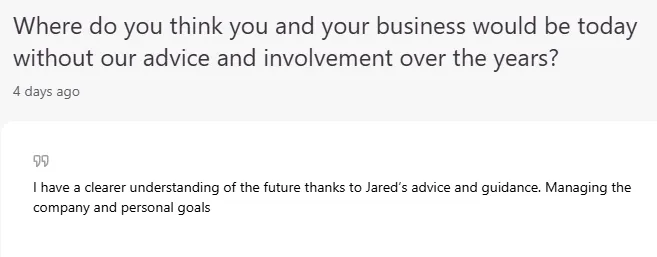
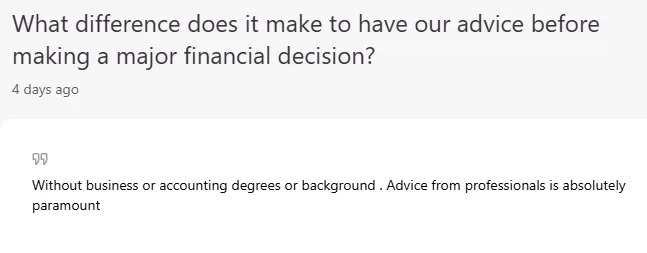
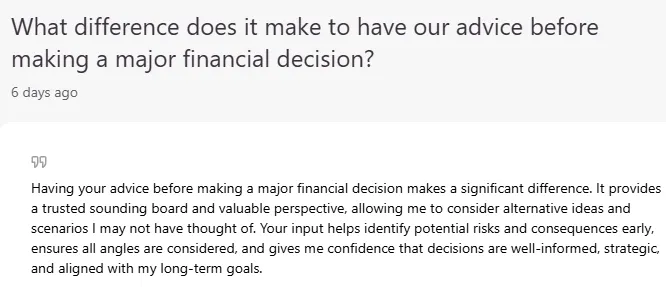
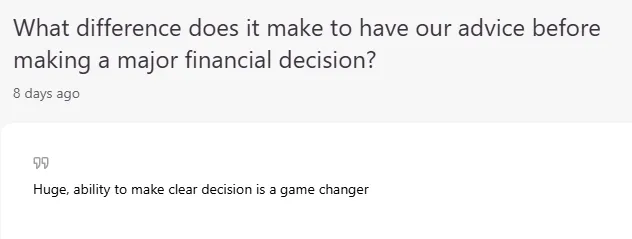
What Clients Say About Us...
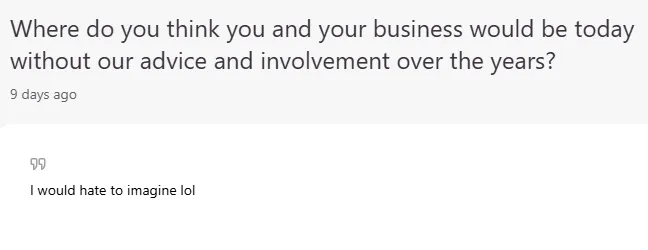
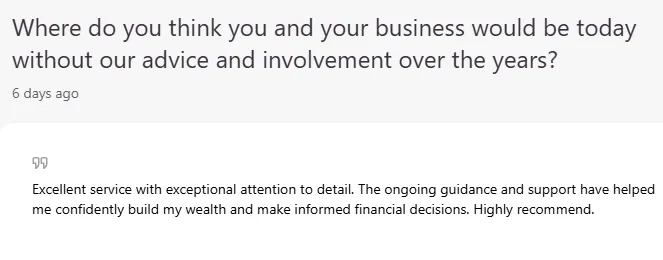
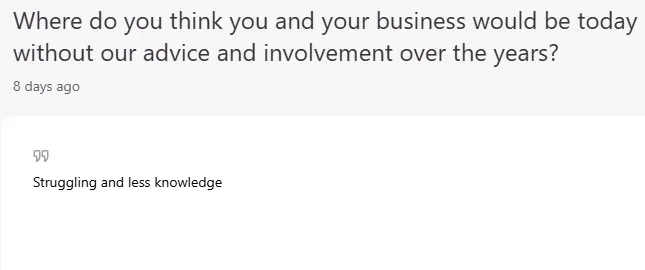
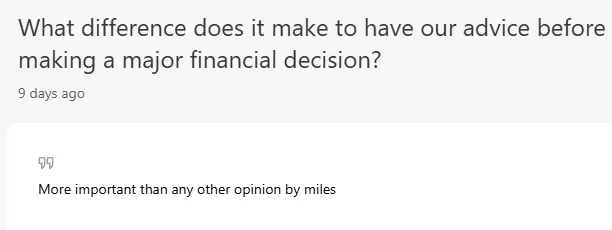
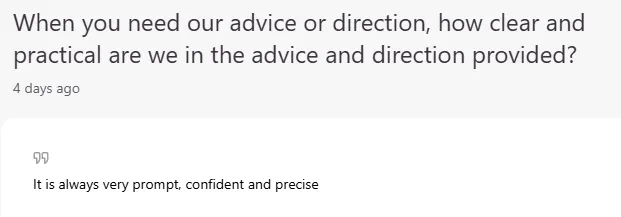
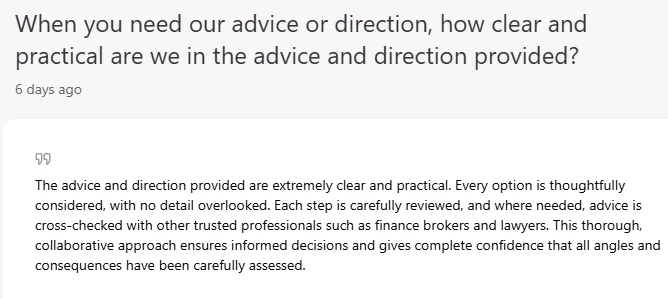
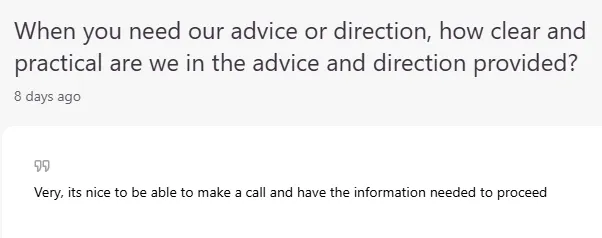
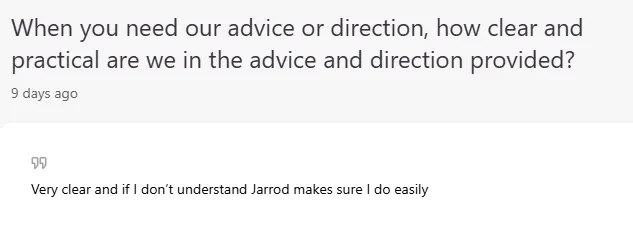
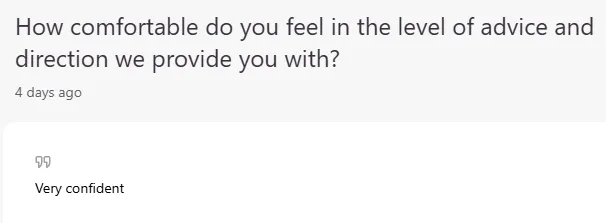
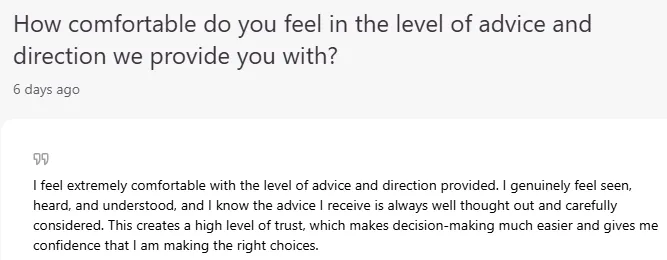
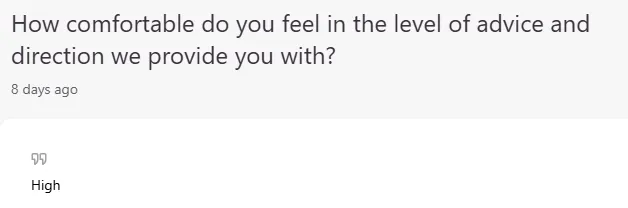
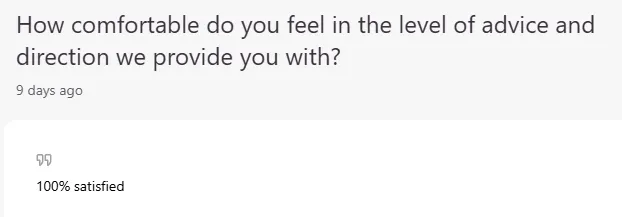
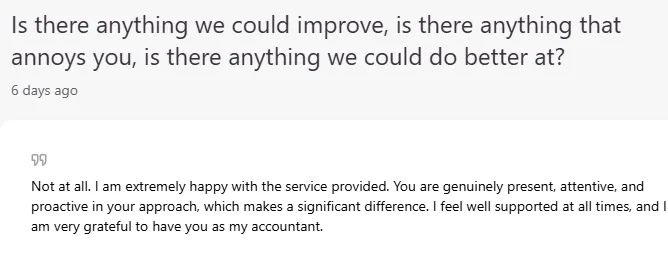
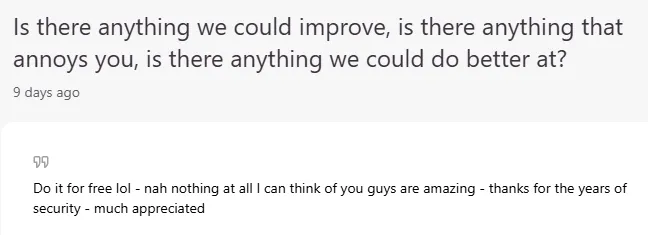
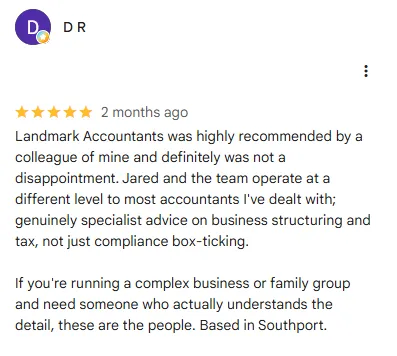
We keep client identities private because our work is commercially sensitive, highly personal & best handled with discretion. So here are a bunch of comments from our clients which will give an idea of what they think of us.
STILL NOT SURE?
Frequently Asked Questions
Here's what we usually get asked
Are you a compliance accountant or a business advisor?
We provide both. Compliance is essential, but our work extends into financial management, reporting, tax planning, strategic advisory and business performance.
Do you only work with trade & field service businesses?
Landmark Accountants specialises in accounting and business advisory for trade & field service businesses. We do selectively work with businesses outside this industry, however we really limit that intake.
What type of business is Landmark Accountants best suited to?
We are best suited to trade and constructionfield service businesses that are wanting to grow & scale, becoming more complex, looking to improve profit, cash flow, reporting and control. This is generally businesses doing > $2M in annual revenue. There are exceptions with businesses and their forecast growth, so the current revenue tier should be taken as a general guide only.
What happens in the Discovery Session?
This is a complimentary session so we can understand the human/s behind the business, the business model, strategy & the commercial objectives the business needs to deliver to give you a life of financial stability & freedom, defined by choice & delivered with time & money.
Can you help if our numbers or reports are not reliable?
Yes. Data integrity and reporting structure are central to the work we do. Before the numbers can guide decisions, they need to be accurate, organised and aligned with the business.
Do you replace our current accountant?
Yes. Landmark Accountants takes over the full accounting and advisory function.
Do you replace our bookkeeper?
If they are not cutting the mustard and that results in a foundational flaw in your process & compromises your business, then we will work with the bookkeeper in a coaching and advisory capacity to get them to a level the business needs from the bookkeeping function.
If they do not attain the standard we deem acceptable at that point, then we will explore what are the most appropriate options for the business at that point. If that means taking over the day to day bookkeeping, then we have the resource to do this.
In all engagements, we assume a regular supervisory role over the bookkeeping function to ensure integrity of data and timeliness in the delivery of reporting for the business.
What if we have a Business Coach?
Epic, keep them. We work in parallel with a lot of coaches in the trade & construction space and we only complement each other's work which accelerates the business.
Can you recommend a Job Management System for us?
Yes, we can. The recommendation depends on the stage or lifecycle of your business and the immediate priorities you have, including what the business will look like 3 years from now.
Are you partners with any Job Management System providers?
Yes, we are. We receive no financial benefit from these providers, so our recommendations remain independent and merit-based.
Can you do what is necessary for a QBCC License upgrade or HBCF eligibility reviews or overall eligibility limits?
Yes, we do these all day long. We do not take the numbers at face value. Instead of sending a letter saying you have failed to meet the minimum financial requirements, we work with you to identify eligible assets others may overlook due to limited industry understanding.
Are you Tax Agents?
Yes we sure are. We are a Registered Tax Agent with the Tax Practitioners Board. Our Tax Agent Number is 25901749.
Do you do Business Activity Statements & manage all other ATO matters?
Yes, absolutely. BAS and ATO management is all standard in what we do, however we also have clients who manage the lodgement side of BAS's themselves if they choose.
Do you use Technology to assist with our financial management systems?
Yes. We are a technology-forward business that uses best-of-breed tools to support stronger financial management.
Do you support businesses across Australia or only locally?
Yes, we support clients across Australia and abroad. As a technology-forward, fully remote business headquartered in Southport, Queensland, we can deliver our services regardless of location.
How do you charge for your services?
We work on a fixed fee basis and provide a detailed scope of works included in the proposed engagement. This is provided prior to the commencement of works for agreement. This means, you have a chance to decide on whether you progress before it costs you anything.
Do you charge for every phone call?
God, no. That is such an old and outdated thing in our game and we can’t stand that way of operating. We are fixed fee only for our engagements which includes all the contact you need.
FOUNDER
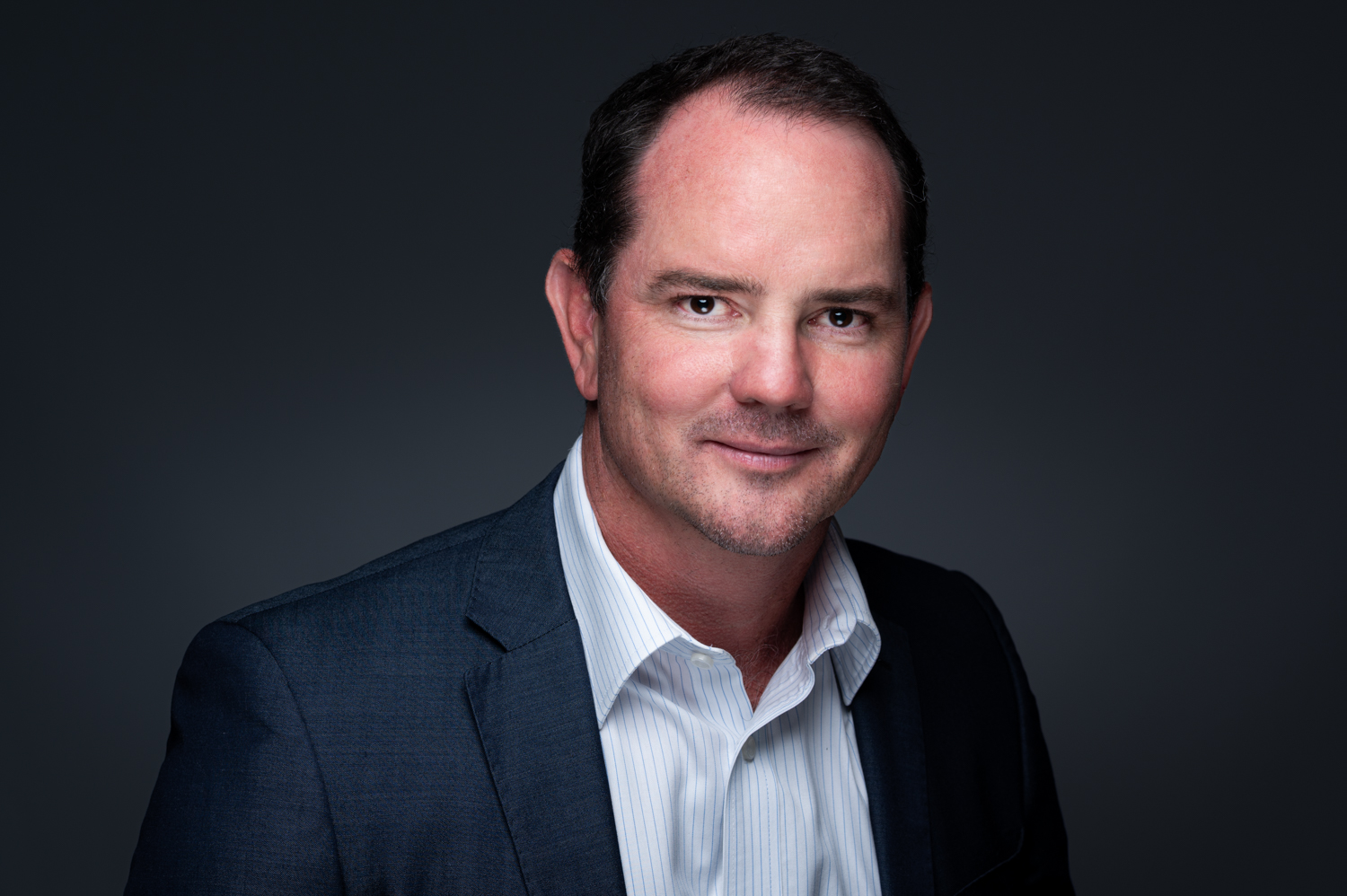
Jared Favero
B.Bus (Mgt + Acc), FCPA (Aust.), CA, Tax Agent
Jared Favero is the founder of Landmark Accountants and brings more than 20 years of experience advising privately owned businesses. His experience spans local trade businesses through to multi-national private groups carrying more than 700 staff across five countries.
Jared holds a Bachelor of Business in Management and Accounting, is a Fellow of CPA Australia, a Chartered Accountant and a Registered Tax Agent. He also holds Certificates of Public Practice from both CPA Australia and Chartered Accountants Australia & New Zealand.
His work is focused on helping business owners build the financial management and operating systems required to deliberately shape intended financial outcomes. This means looking beyond compliance and using financial structure, data integrity, reporting, pricing, cash flow management and strategic control to improve operating performance.
Jared’s advisory approach is corrective and strategic. It is built for business owners who need the numbers to mean something, the reports to drive action and the financial system to support the business they are trying to become.
Fellow of CPA Australia
Chartered Accountants of Australia & New Zealand
Registered Tax Agent


Liability limited by a scheme approved under Professional Standards Legislation.